Ridge Augmentation — San Luis Obispo, CA
Rebuilding the ridge after a tooth is lost
A bone graft that rebuilds the height and width of the jaw after a tooth is removed, so an implant has a solid foundation later.

Overview
What is a ridge augmentation?
When a tooth comes out, the bone that held it, the alveolar ridge, can shrink or collapse, especially if the socket wall was damaged during the extraction. A ridge augmentation rebuilds that height and width with a bone graft, most often placed right into the socket at the same visit as the extraction, so a second procedure usually isn’t needed.
It isn’t medically necessary on its own, but it matters if you’re planning a dental implant: implants need bone to anchor into, and a ridge augmentation keeps that option open.
Urgent? Call 805-541-5611
Candidacy & Indications
Am I a Candidate for Ridge Augmentation?
You may benefit from a ridge augmentation if:
- A tooth is being extracted and the socket wall is damaged or thin.
- You’re planning an implant later and want to preserve the bone now.
- A previous extraction has left the ridge narrowed or collapsed.
We’ll assess it at your consultation, often the same visit as an extraction, and let you know plainly whether it applies to your case.
Dr. Janette’s Approach
Our approach to ridge augmentation
Dr. Adam Janette is a board-certified oral and maxillofacial surgeon and a Diplomate of the American Board of Oral & Maxillofacial Surgery. Because he handles extractions, grafting, and implant placement in one practice, a ridge augmentation is planned as part of one coordinated path toward your implant, not a separate detour to another office.
Office Technology
The technology we use for ridge augmentation
3D / CBCT imaging

A cone-beam scan that shows exactly how much bone height and width has been lost.
Why it matters: the graft is planned to what your future implant will actually need.
Extraction-to-graft continuity
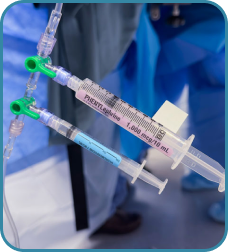
The graft is placed the same visit as the extraction whenever possible.
Why it matters: one visit, one healing process, instead of a second procedure later.
What to Expect
How ridge augmentation works
Before: consultation
At your consultation, often the same visit as an extraction, we look at the site and explain whether a ridge augmentation makes sense for your case, with a written estimate before anything is scheduled.
During: placing the graft
The graft material is placed directly into the socket, often right after the tooth comes out, and the gum tissue is closed over it with sutures. It’s typically done in-office under local or IV anesthesia.
After: healing
The socket heals over the following weeks, and once it’s ready, the ridge can be prepared for a dental implant.
Case Study
A recent case
Case Study · Ridge Augmentation
[PROOF: one de-identified case — damaged socket wall rebuilt with a ridge augmentation → implant placement.]
Read the full case study →Recovery & Post-Op
Your first weeks after surgery
- Some swelling and tenderness for the first few days, managed with the plan we send home.
- Eat softer foods and avoid disturbing the site.
- Don’t smoke, it’s one of the biggest risks to a graft taking.
- The graft heals quietly underneath over the following weeks to months.
- These are general guides. Follow the specific instructions your surgeon gives you.
When to call us
Contact the office for things like bleeding that won’t stop with gentle pressure, swelling that worsens after a few days, fever, or graft material that feels like it’s coming loose. Call the office with any concern.
Cost & Insurance
Cost of ridge augmentation
Cost depends on the size of the graft and whether it’s done alongside an extraction. We check your dental coverage before the consultation, the estimate you get is in writing, and third-party financing can spread the cost if needed.
Frequently Asked
Questions patients ask us about ridge augmentation
Not always. It matters most if you’re planning an implant later or the socket wall was damaged during the extraction. We’ll tell you plainly if it applies to your case.
Often, yes. Placing the graft right after the tooth comes out usually avoids a second procedure later.
The area is numbed, and IV anesthesia is available if you’d prefer it, so the procedure itself is usually easier than people expect. There’s some soreness afterward, managed with the plan we send home.
It depends on the size of the graft and whether it’s done alongside an extraction. Your consultation ends with a written estimate, and our office checks your coverage beforehand.
Patient Experiences
In our patients’ words
“Two extractions, a bone graft, an implant — my nervousness disappeared as Dr. Janette came into the room… He explained my problems patiently.”
“He removed an old implant and I needed a bone graft. It was all done and stitched within minutes and I walked out just fine.”
Ready to talk through your case?
Request a consultation. CBCT imaging, clinical exam, and a written treatment plan with fee quote at your first visit.