
Tooth Extractions — San Luis Obispo, CA
Precise and surgical tooth extractions
Some tooth extractions require complete and surgical removal by a board-certified surgeon. Sometimes, you may be nervous and just need reassurance. We offer comforting anesthesia and help plan for what’s next after your tooth is removed.

Overview
When a tooth needs a surgeon
While many teeth can be removed by a general dentist, an extraction with a board-certified oral surgeon is different. Even simpler extractions benefit from a surgeon’s approach, including preparing for the next steps in your care. The cases that come to an oral surgeon are the harder ones: teeth that are badly broken, impacted (stuck under the gum or bone), infected, fused to the bone, or sitting close to a nerve or the sinus. These often need a surgical extraction, which is everyday work in oral surgery.
Just as important as getting the tooth out is what happens next. If you’re planning to replace the tooth, the socket can be preserved with a small bone graft at the same visit to keep an implant possible later. Because Dr. Janette extracts, grafts, and places implants in one practice, and sometimes in a single visit, that whole path can be planned together from the start.
Urgent? Call 805-541-5611
Candidacy & Indications
Am I a Candidate for Tooth Extraction?
A general dentist may refer you, or you may come straight here, when a tooth is:
- Badly broken or decayed beyond repair.
- Impacted, including wisdom teeth and other teeth stuck under bone.
- Infected or abscessed, sometimes needing urgent removal.
- Fused to the bone or near a nerve or sinus, where precision matters.
- You’re anxious about dental work and want a specialist who works efficiently and keeps you comfortable.
We’ll also talk through whether the tooth truly needs to come out, and what your options are for replacing it if it does. If saving the tooth is realistic, we’ll say so. Health conditions and medications can affect healing, so we review your history first.
Dr. Janette’s Approach
Our approach to tooth extractions
The teeth that other offices send to us are the ones Dr. Janette handles every day. He’s a board-certified oral and maxillofacial surgeon, and complex, surgical, and emergency extractions are core to his work. Because he grafts and places implants in the same practice, he helps plan the extraction with what comes after it in mind, so you’re not left figuring out the next step alone.
Office Technology
The technology we use for tooth extractions
3D / panoramic imaging

Shows roots, nerves, and the sinus before we start.
Why it matters: a complex extraction is planned around the anatomy, which makes it safer and faster.
Extraction-to-implant continuity
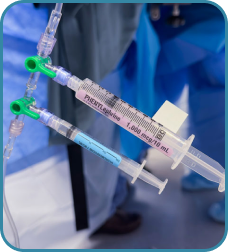
Socket preservation and implant planning in one practice.
Why it matters: the tooth comes out with the replacement already in view.
What to Expect
How the tooth extraction procedure works
Before: consultation (or urgent visit)
We take a scan, confirm the tooth needs to come out, and explain how. Plus we discuss your sedation and anesthesia options and provide a written estimate. If you’re replacing the tooth, we’ll talk about preserving the socket at the same visit.
During: the extraction
For a surgical extraction, Dr. Janette opens the gum or sections the tooth so it comes out cleanly with as little disruption to the surrounding bone as possible. This matters if an implant is coming later, and it matters even if one isn’t: preserving the bone protects the roots of the neighbouring teeth from sensitivity, decay, and shifting. If you’ve planned for it, a socket-preserving graft can go in at the same time.
After: healing and recovery
Healing starts with a blood clot in the socket and progresses from there, and your gum begins to close over the first week or so. You’ll have some soreness and swelling for the first few days, managed with the plan we send home. Protect the clot: don’t smoke, and rinse gently at first. Most people are back to normal routines within a few days, though it varies.
Case Study
A recent case
Case Study · Tooth Extractions
A complex extraction, planned for the implant
[PROOF: one de-identified case — a complex/surgical extraction with socket preservation → implant.]
Read the full case study →Recovery & Post-Op
Your first weeks after surgery
- Soreness, swelling, and a little bleeding for the first day or two; normal, and managed with the plan we send home.
- Bite gently on the gauze and eat soft foods.
- Don’t smoke. It slows healing and makes a dry socket much more likely.
- Keep your mouth clean: rinse gently, brush but avoid the socket itself, and use mouthwash as directed.
- Most people feel noticeably better within a few days.
- These are general guides. Follow the specific instructions your surgeon gives you.
When to call us
Contact the office for things like bleeding that won’t stop with gentle pressure, swelling or pain that worsens after a few days, fever, or numbness that doesn’t fade. Call us with any concern.
Cost & Insurance
Cost of a tooth extraction
The cost depends on things like whether it’s a simple or surgical extraction and what type of anesthesia or sedation you need. You’ll see the number in writing at your consultation, and our office checks your dental coverage before you come in so you know where you stand.
Frequently Asked
Questions patients ask us about tooth extractions
Some teeth are broken down, impacted, fused to the bone, or near a nerve or sinus. Those need a surgical extraction, which is everyday work for an oral surgeon. It’s not a sign anything went wrong.
The area is fully numbed and you can be sedated, so the procedure itself is usually far easier than people brace for. There’s soreness afterward, managed with the plan we send home.
Often, yes. Same-day appointments are available for urgent needs. Call 805-541-5611 and we’ll get you in and comfortable.
Often it’s worth it, because it keeps the other teeth from shifting and the jawbone from shrinking. If you’re planning an implant, preserving the socket at the time of extraction keeps that option open.
Patient Experiences
In our patients’ words
“My family dentist tried his best but the tooth was too much… Dr. Janette and his team were the best.”
“I just had a tooth extraction and an implant put in this morning. No pain at all.”
Ready to talk through your case?
Request a consultation. CBCT imaging, clinical exam, and a written treatment plan with fee quote at your first visit.