Treatment for TMJ Disorders — San Luis Obispo, CA
Jaw joint pain, clicking, and locking
Evaluation and treatment for TMJ (temporomandibular joint) disorders by a board-certified oral surgeon. We start with conservative care and provide in-office treatment for certain cases.

Overview
What an oral surgeon treats here
TMJ disorders can cause jaw pain, clicking, locking, or trouble opening your mouth. Most of these problems come from inflammation inside the joint, not from something that needs open surgery.
Dr. Janette evaluates the joint, works out what is actually driving your symptoms, and starts with the least invasive step likely to help.
For many people that is conservative care first, and if the joint stays inflamed, in-office treatment to calm and settle it.
Urgent? Call 805-541-5611
Candidacy & Indications
Am I a Candidate for TMJ Treatment?
TMJ problems are usually evaluated on a scheduled basis, starting with conservative care before any procedure is considered.
Reasons to come in include:
- Jaw pain or tenderness at the joint, or pain when you open wide.
- Clicking, popping, or grinding, or a jaw that locks or catches.
- Headaches or ear-area pain tied to the jaw, especially if simple measures haven’t helped.
- A bite that makes you work to chew: an overbite or underbite, or missing back teeth that leave you chewing on your front teeth.
If basic measures haven’t worked, an exam and imaging can tell whether inflammation in the joint is the problem and whether in-office treatment is likely to help. Advanced joint disease is less common. If that’s what’s going on, we’ll tell you and help you get to the right care.
Dr. Janette’s Approach
Our approach to TMJ treatment
Dr. Adam Janette is a board-certified oral and maxillofacial surgeon whose training covers the jaw joint, the facial bones, and how the bite works together. He’ll be honest about what’s driving your symptoms and start with the least invasive step likely to help.
Where the bite is what’s driving the strain, the fix is often dental rather than surgical: removing wisdom teeth that crowd the back of the jaw, or restoring missing back teeth so you aren’t chewing on your front ones. Where the joint needs ongoing conservative management, physical therapy does more for it than surgery, and he’ll point you there.
When conservative care isn’t enough, treatment is done right here in our office to calm the joint and improve how it moves. A smaller number of patients have more advanced joint disease; if your case points that way, Dr. Janette will say so and coordinate your care with the right specialist.
Office Technology
The technology we use for TMJ treatment
3D / CBCT imaging
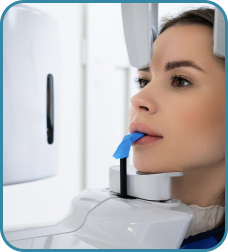
Imaging that shows the joint and surrounding bone clearly, so we can tell simple inflammation from structural joint disease.
Why it matters: it guides whether conservative care, in-office treatment, or a referral is the right next step.
In-office treatment
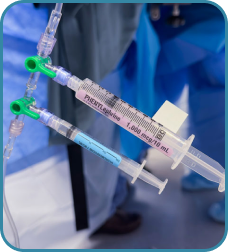
Minimally invasive treatment done in our office under local or IV anesthesia.
Why it matters: it eases pain and improves how the joint opens, and often helps patients avoid open surgery.
What to Expect
How TMJ treatment works
Evaluation & imaging
We review your history and symptoms and examine the jaw. Imaging, including 3D/CBCT scans where needed, shows the joint clearly. Dr. Janette explains what he sees and lays out the options, with a written estimate for any planned care.
Conservative care first
For many TMJ problems, non-surgical steps come first: rest, a soft diet, anti-inflammatories, physical therapy, and a bite splint. There’s good evidence many patients improve at this stage.
In-office treatment, if needed
When the joint stays inflamed, treatment is done in our office under local or IV anesthesia to calm the joint and free up movement, with a quick recovery. For the uncommon advanced case, Dr. Janette coordinates a referral to the right specialist.
Case Study
A recent case
TMJ Care
When conservative care wasn’t enough
[PROOF: a de-identified TMJ case (persistent joint inflammation, arthrocentesis, improved opening). Bracketed until consent.]
Read the full case study →Recovery & Post-Op
After treatment
- Depending on the treatment, expect mild soreness around the joint for a few days; manageable with the plan we send home.
- Stick to a soft diet at first, then expand as comfort allows.
- Gentle jaw movement and any exercises we recommend help restore range of motion.
- Follow up so we can confirm the joint is moving better and the pain is easing.
- These are general guides. Follow the specific post-op instructions Dr. Janette gives you.
When to call us
Contact the office for worsening pain or swelling, fever, a bite that suddenly feels off, or numbness that doesn’t fade.
Cost & Insurance
Cost of TMJ treatment
The cost of TMJ care depends on whether it’s an evaluation, imaging, or an in-office treatment. You’ll see the cost in writing at your consultation.
TMJ care can touch both dental and medical benefits, so our office identifies your coverage before the consultation. The estimate you get is written, and financing is available if you’d like to spread the cost.
Frequently Asked
Questions patients ask us about TMJ treatment
Often, but not always. Jaw pain can come from the joint, the muscles, grinding, or the bite. An exam and imaging sort out what’s driving it.
Usually not. Many TMJ problems improve with conservative care, and when a procedure is needed, treatment is minimally invasive and done in our office. Open surgery is uncommon.
Some joints need arthroscopy, open surgery, or joint replacement. Those are specialized procedures; Dr. Janette will tell you honestly and coordinate your care with the right specialist.
Sometimes under dental benefits, sometimes medical, depending on your plan and the care involved. We’ll help you look into that before your consultation, and you’ll have a written estimate before anything moves forward.
Patient Experiences
In our patients’ words
“Dr. Janette displays a reassuring confidence but also makes you feel as though you’ve known him for years.”
“Wonderful experience during the whole process. Dr. Adam and staff are especially excellent — I couldn’t be happier with my results.”
Living with jaw pain?
Request a consultation. We’ll examine the joint, explain what’s going on, and start with the least invasive step that’s likely to help.