
Wisdom Tooth Removal — San Luis Obispo, CA
Get wisdom teeth out, in expert hands
Understand when and why wisdom teeth need to come out, as well as options for your comfort. Patients say this is a much easier procedure than they anticipated.

Overview
What are wisdom teeth?
Wisdom teeth are the third molars at the very back of your mouth, and they usually show up in the late teens or early twenties. The problem is there’s often no room for them. When they can’t come in straight, they get “impacted” or stuck under the gum or angled into the tooth in front. Impacted wisdom teeth can cause pain, infection, crowding, or damage you can’t see without an X-ray.
Removing wisdom teeth is one of the most common procedures in oral surgery, and for most people it’s far more routine than the internet makes it sound. We take a scan to see exactly how the teeth are positioned, then plan the removal around your case so the procedure is easy to get through. Dr. Janette walks you (or your teen) through all of it first.
Urgent? Call 805-541-5611
Candidacy & Indications
Am I a Candidate for Wisdom Teeth Removal?
For nearly everyone, we recommend having wisdom teeth removed. It’s rare that we’d advise keeping them.
You should have them removed if you have:
- Impacted or angled teeth, stuck under the gum or pushing into the next tooth.
- Pain, swelling, or repeated infection around the back of the jaw.
- Crowding that threatens your other teeth or your orthodontic results.
Removing them in the late teens or early twenties is easier. The roots often aren’t fully formed, and it’s the peak of bone healing: the jaw is at its most flexible and has its highest concentration of the cells that build bone. That capacity declines as you get older. Patients this age hurt less and heal faster. At your consultation we’ll show you the scan and explain what removal involves.
Dr. Janette’s Approach
Our approach to wisdom teeth removal
This is surgery, so it’s worth having a surgeon do it. Dr. Adam Janette is a board-certified oral and maxillofacial surgeon. He is a Diplomate of the American Board of Oral & Maxillofacial Surgery, and wisdom teeth, including the tricky impacted ones, are everyday work for him. Just as important, our office administers IV anesthesia to make the procedure more comfortable for you. Patients tell us the part they dreaded was over before they knew it.
Office Technology
The technology we use for wisdom teeth removal
3D / panoramic imaging
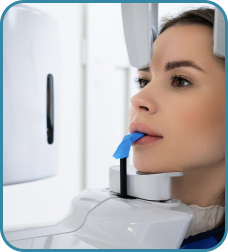
A scan that shows exactly how the teeth and roots sit relative to important anatomy, like your nerves.
Why it matters: we plan with your anatomic features before we start, which makes the surgery safer and faster.
IV anesthesia
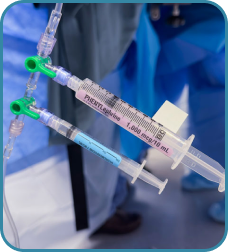
Our team administers and monitors your sedation, in-office, with the surgical team watching over you throughout.
Why it matters: your teen (or you) stays comfortable throughout the procedure.
What to Expect
How the wisdom teeth procedure works
Before: the consultation
Your first visit is often an evaluation, not surgery. Sometimes, we can do consultation and surgery the same day. We take a scan, look at how the teeth are positioned, and explain what removal involves. We’ll explain what removal will involve and provide a written estimate before anything is scheduled. We’ll go over your anesthesia plan and the instructions for day of surgery, including arranging a driver. If you (or your teen) are nervous, say so, because it changes how we go through the consultation.
During: the removal
Wisdom tooth removal is an outpatient procedure. You’re numbed, and IV anesthesia keeps you comfortable, with the surgical team monitoring you throughout. Dr. Janette removes the teeth, generally all four in one visit, working from the scan so it goes quickly. Most patients are surprised how fast and routine it feels for something they were anxious about. You go home the same day with a driver.
After: the first few days
Expect swelling, some soreness, and a stiff jaw for the first few days. This is normal. We send you home with a plan to stay ahead of it. Stick to soft foods, rest, and follow the rinse instructions to protect the healing sockets. Most people take it easy for a couple days and then are back to school or work, though it varies.
Case Study
A recent case
Case Study · Wisdom Teeth
A calm approach to an anxious case
[PROOF: one de-identified case — e.g. a full-bony impaction or an anxious patient → approach → outcome.]
Read the full case study →Recovery & Post-Op
Your first weeks after surgery
- The first couple days are the peak: swelling, tenderness, and a sore jaw are expected, and not a sign anything’s wrong.
- Keep to soft, cool foods, rest, and follow the rinse routine we send home to keep the sockets clean.
- Don’t smoke. It slows healing and makes a painful “dry socket” much more likely.
- Keep your mouth clean: rinse gently, brush your teeth but avoid the surgical sites, and use mouthwash as directed.
- Most people feel noticeably better within about a week.
- These are general guides. Follow the specific instructions your surgeon gives you.
When to call us
Contact the office for things like bleeding that won’t stop with gentle pressure, swelling that worsens after a few days, fever, or severe pain that medication isn’t affecting. Call the office with any concern.
Full post-op instructions: Surgical Instructions for wisdom teeth →
Cost & Insurance
Cost of wisdom teeth removal
The cost depends on how many teeth, whether they’re impacted, and your anesthesia. Our front office checks your dental coverage ahead of your visit, and you’ll leave the consultation with a written estimate. If it helps to pay over time, we can set you up with third-party financing.
Frequently Asked
Questions patients ask us about wisdom teeth removal
You’re fully numbed and we offer IV anesthesia, so the surgery itself is usually far easier than people brace for. Afterward there’s soreness and swelling for a few days and we send you home with a clear plan to manage it.
Usually, yes. Most patients have all four taken out in a single visit under sedation. It means one recovery instead of several.
Yes, most patients are put to sleep for removal of their wisdom teeth. You’ll be deeply relaxed and most people remember little to nothing.
Most people take it easy for a couple days and are back to normal within about a week. However, it varies by person and by how the teeth were positioned. Following the aftercare instructions closely makes a real difference.
It’s when the healing clot is dislodged, exposing bone. Not smoking and keeping your mouth clean greatly lower the risk, and having a surgical specialist take the tooth out helps too. We’ll walk you through it.
Gently, and that’s normal. Tell us how anxious they are. Typically, we recommend starting with a consultation and a separate surgical visit. A calm, detailed approach is exactly why families send their teens to our oral surgery practice.
After the consultation, you’ll get a written estimate, no surprises.
Patient Experiences
In our patients’ words
“Both bottom wisdom teeth removed with no pain — am forever grateful to y’all!”
“After being bumped twice by another oral surgeon, I called Dr. Janette’s office. They made me an appointment right away and removed my wisdom teeth without issue. The recovery was almost painless.”
Ready to talk through your case?
Request a consultation. CBCT imaging, clinical exam, and a written treatment plan with fee quote at your first visit.