Airway Surgery for Sleep Apnea — San Luis Obispo, CA
When CPAP isn’t working for you
A board-certified surgeon evaluates surgical options for sleep apnea, in step with your medical provider.

Overview
What is obstructive sleep apnea?
Obstructive sleep apnea (OSA) happens when the airway repeatedly collapses during sleep, interrupting breathing and stealing the deep rest your body needs. It’s diagnosed with a sleep study and most often treated first with CPAP, a mask that holds the airway open. CPAP works well when people can stick with it, but many can’t.
When CPAP isn’t tolerated or isn’t working, Dr. Janette can assess whether your apnea is tied to your jaw and airway anatomy, and whether jaw-based airway surgery could help. Working with your medical provider, he helps determine whether a surgical approach fits. Any plan starts from a confirmed diagnosis and works alongside, not instead of, your medical team.
Urgent? Call 805-541-5611
Candidacy & Indications
Am I a Candidate for Sleep Apnea Treatment?
A surgical evaluation may make sense if:
- You have diagnosed OSA (confirmed by a sleep study) and can’t tolerate CPAP or aren’t getting relief from it.
- Your jaw position or airway anatomy appears to contribute to the obstruction.
- Your medical provider or dentist has referred you to explore surgical options.
Surgery isn’t a first step and isn’t right for everyone. It’s considered after a diagnosis and a trial of standard therapy, and always in coordination with your medical provider. We’ll be honest about whether a surgical approach is likely to help in your case.
Dr. Janette’s Approach
Our approach to sleep apnea
Sleep apnea tied to jaw and airway anatomy sits squarely in oral and maxillofacial surgery. Dr. Adam Janette is a board-certified oral and maxillofacial surgeon and a Diplomate of the American Board of Oral & Maxillofacial Surgery, whose training includes orthognathic (jaw) surgery and 3D surgical planning. He assesses the airway and jaw structure and, in coordination with your medical provider, helps determine whether a surgical option could improve your breathing, and when it’s the right path, he can provide it. The emphasis is honesty: surgery is right only for some patients, and we’d rather tell you that clearly than oversell it.
How Evaluation Works
From airway imaging to a coordinated plan
3D / CBCT airway imaging
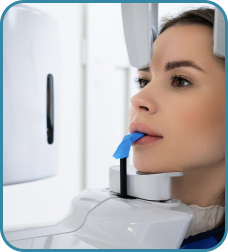
Shows the jaw and airway in three dimensions.
Why it matters: the evaluation is based on your actual anatomy, not a general assumption.
Coordination with your medical team
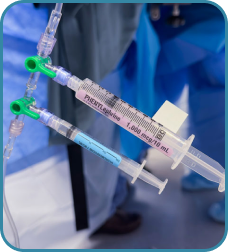
We work from your sleep study and alongside your medical provider.
Why it matters: surgery is one part of a coordinated plan, not a freelance fix.
What to Expect
How sleep apnea treatment works
Before: evaluation
Bring your sleep-study results and any notes from your medical provider or dentist. Dr. Janette reviews your diagnosis, examines your jaw and airway, and may take a 3D scan. He’ll explain whether a surgical option is realistic for you, coordinate with your medical provider, and lay out next steps and a written estimate, or tell you honestly if surgery isn’t likely to help.
During: surgery, if indicated
Sleep apnea happens when the airway narrows, often because the tongue and soft tissues fall back against the throat when you lie down. Jaw surgery moves the upper and lower jaws forward, and sometimes the chin as well, which carries those tissues forward and opens the airway behind them. That procedure is called maxillomandibular advancement, and where jaw position is the driver it is the established surgical option. Dr. Janette performs jaw-based surgery, not soft-tissue throat procedures. Any surgery is performed under general anesthesia, with your comfort monitored throughout, and planned in 3D in advance.
After: recovery and follow-up
Jaw surgery has a longer recovery than most oral surgery. We’ll give you specific milestones and coordinate follow-up with your medical provider, confirming the result with repeat testing where appropriate.
Case Study
A recent case
Case Study · Sleep Apnea
[PROOF: only if scope is confirmed — a de-identified case (CPAP-intolerant patient → surgical approach → improved sleep study).]
Read the full case study →Recovery & Post-Op
Your first weeks after surgery
- Jaw-repositioning surgery involves swelling, a soft diet, and a longer healing curve.
- We’ll give you specific milestones for whatever’s planned.
- These are general guides. Follow the specific instructions your surgeon gives you, and keep your medical provider in the loop.
When to call us
Contact the office for things like breathing difficulty, bleeding that won’t stop, swelling that worsens unexpectedly, or fever. Call the office with any concern. We’d rather you call than wonder.
Cost & Insurance
Cost of sleep apnea treatment
Because sleep apnea involves your medical care, cost depends on the specific procedure. Our office checks your medical and dental coverage ahead of the consultation and helps where we can, and you’ll have a written estimate in hand before any decision is made. Financing over time is also available.
Frequently Asked
Questions patients ask us about sleep apnea
For some patients, yes. When CPAP isn’t tolerated, a surgical evaluation can determine whether your jaw or airway anatomy could be addressed surgically. It starts from your existing diagnosis and works with your medical provider.
Yes. Surgical options are considered only after OSA is confirmed by a sleep study and standard therapy has been tried. We coordinate with your medical provider.
It depends on your anatomy. When jaw position is the main factor, maxillomandibular advancement, moving the jaws forward to open the airway, is the established approach.
For some patients surgery can reduce or eliminate the need for CPAP; for others it’s part of a broader plan. We’ll be honest about realistic expectations for your case.
It’s a joint call with your medical provider, based on your diagnosis and your anatomy. We’ll tell you straight if surgery isn’t likely to help.
It depends on the procedure, and it’s often billed medically. The consultation includes a written estimate, with your coverage checked in advance.
Patient Experiences
In our patients’ words
“The staff and the doctor were kind, professional, and thorough. They discussed my situation and options thoroughly. I am grateful.”
“Wonderful experience during the whole process. Dr. Adam and staff are especially excellent — I couldn’t be happier with my results.”
Ready to talk through your case?
Request a consultation. CBCT imaging, clinical exam, and a written treatment plan with fee quote at your first visit.