Bone Grafting — San Luis Obispo, CA
Rebuilding the bone an implant needs
When the jaw has lost bone, bone grafting is a procedure that restores a solid foundation so a dental implant becomes possible.

Overview
What is bone grafting?
When a tooth is missing or has been gone for a while, the jawbone that used to support it shrinks, a process called resorption. If you lose enough bone, there isn’t a solid foundation to anchor an implant. Bone grafting rebuilds that foundation for an implant. A graft material is placed where bone is missing. It acts as a scaffold that helps your body regenerate new, healthier bone. Over the following weeks your body works to rebuild the volume an implant needs. Dr. Janette confirms the site is ready with a scan before placing the implant.
Grafts range from small, targeted repairs right after an extraction to larger rebuilding of the jaw where more bone is missing. Often the graft and the implant are part of one coordinated plan, and because Dr. Janette both grafts and places implants here, that plan stays with us from start to finish.
Urgent? Call 805-541-5611
Candidacy & Indications
Am I a Candidate for Bone Grafting?
You may need bone grafting if:
- You’ve been told you lack bone for an implant. This comes up with most implant patients, and it’s something we talk through all the time.
- A tooth is being removed and the socket should be preserved to keep an implant possible later.
- The upper back jaw is too close to the sinus to place an implant without added bone (a sinus lift).
- Years have passed since a tooth was lost and the ridge has narrowed.
Healing conditions, smoking, and certain medications can affect how a graft takes, so we review your full history first.
Techniques
Common bone-grafting techniques
The right technique depends on where the bone loss is and what you’re planning next. Three of the most common:
Dr. Janette’s Approach
Our approach to bone grafting
Improving deficient and complex bone is work this practice is known for. Some of our patients arrive having been told “no” to dental implants elsewhere. Dr. Adam Janette is a board-certified oral and maxillofacial surgeon and a Diplomate of the American Board of Oral & Maxillofacial Surgery. Complex cases are planned using in-office technology, like 3D scanners, so the graft is shaped to what your implant will actually need. Because Dr. Janette handles the surgical work of the graft and the implant placement in one practice, these parts of your treatment are planned together by one surgeon, with the final restoration coordinated with your dentist or prosthodontist.
Office Technology
The technology we use for bone grafting
3D / CBCT imaging
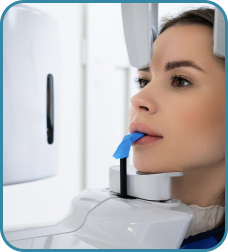
A cone-beam scan that shows bone volume in three dimensions.
Why it matters: we measure exactly how much bone is missing and plan the graft to the implant that will follow.
Graft-to-implant continuity
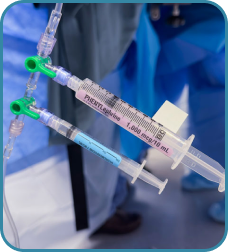
Grafting and implant placement planned as one course of care.
Why it matters: fewer handoffs, one plan, one surgeon accountable for the result.
What to Expect
How the bone grafting procedure works
Before: consultation & planning
We take a 3D scan to measure exactly where and how much bone is missing, then explain in plain terms what kind of graft you need and how it fits with the implant plan. You’ll get a written estimate and a realistic timeline, including the healing time a graft needs before an implant can go in. Bring your medication list and your questions.
During: placing the graft
Grafting is an outpatient procedure. The area is numbed, and IV anesthesia, administered and monitored by Dr. Janette, keeps you comfortable. He places the graft material where bone is missing and closes the site to protect it while it heals. Smaller grafts can be done at the same visit as an extraction or implant; larger ones are staged.
After: healing & next steps
Your body gradually breaks down the graft material and replaces it with your own living bone. That takes several weeks, and the timing varies with the graft and the site. You’ll have some swelling and tenderness for the first few days, managed with the plan we send home. We’ll see you for follow-ups to confirm the graft is taking before moving to the implant.
Case Study
A recent case
Case Study · Bone Grafting
Rebuilding bone the last surgeon wouldn’t
[PROOF: one de-identified case — significant bone loss / failed implant rebuilt with grafting → implant → outcome.]
Read the full case study →Recovery & Post-Op
Your first weeks after surgery
- Swelling and tenderness for the first few days, managed with the plan we send home.
- Eat softer foods and avoid disturbing the site.
- Don’t smoke, it’s one of the biggest risks to a graft taking.
- The graft heals quietly underneath over the following months before it’s ready for an implant.
- These are general guides. Follow the specific instructions your surgeon gives you.
When to call us
Contact the office for things like bleeding that won’t stop with gentle pressure, swelling that worsens after a few days, fever, or graft material that feels like it’s coming loose. Call the office with any concern.
Cost & Insurance
Cost of bone grafting
Bone grafting starts at $650, depending on the size and type of graft and whether it’s done alongside an extraction or implant. We check your dental coverage before the consultation, the estimate you get is in writing, and third-party financing can spread the cost if needed. We’ll be upfront about how grafting fits the total cost of getting you to an implant.
Frequently Asked
Questions patients ask us about bone grafting
Usually not. Rebuilding bone with a graft is something we discuss with implant patients all the time, and being told “no” by a general dentist often isn’t the final answer.
The area is numbed and you can be sedated, so the procedure itself is usually easier than people expect. There’s some soreness afterward, managed with the plan we send home.
The graft needs time to be replaced by your own bone first, which usually takes several weeks, depending on the graft and the site. We’ll give you a timeline for your specific case.
Sometimes. Smaller grafts can go in alongside an extraction or implant; larger ones are staged so the bone can mature first. Your 3D scan tells us which.
There are several options, and we’ll discuss which suits your case at your consultation.
Bone grafting starts at $650, depending on the size and type of graft. Your consultation ends with a written estimate, and our office will have already checked your coverage.
Patient Experiences
In our patients’ words
“Two extractions, a bone graft, an implant — my nervousness disappeared as Dr. Janette came into the room… He explained my problems patiently.”
“He removed an old implant and I needed a bone graft. It was all done and stitched within minutes and I walked out just fine.”
Learn more
Bone grafting in depth
Ready to talk through your case?
Request a consultation. CBCT imaging, clinical exam, and a written treatment plan with fee quote at your first visit.